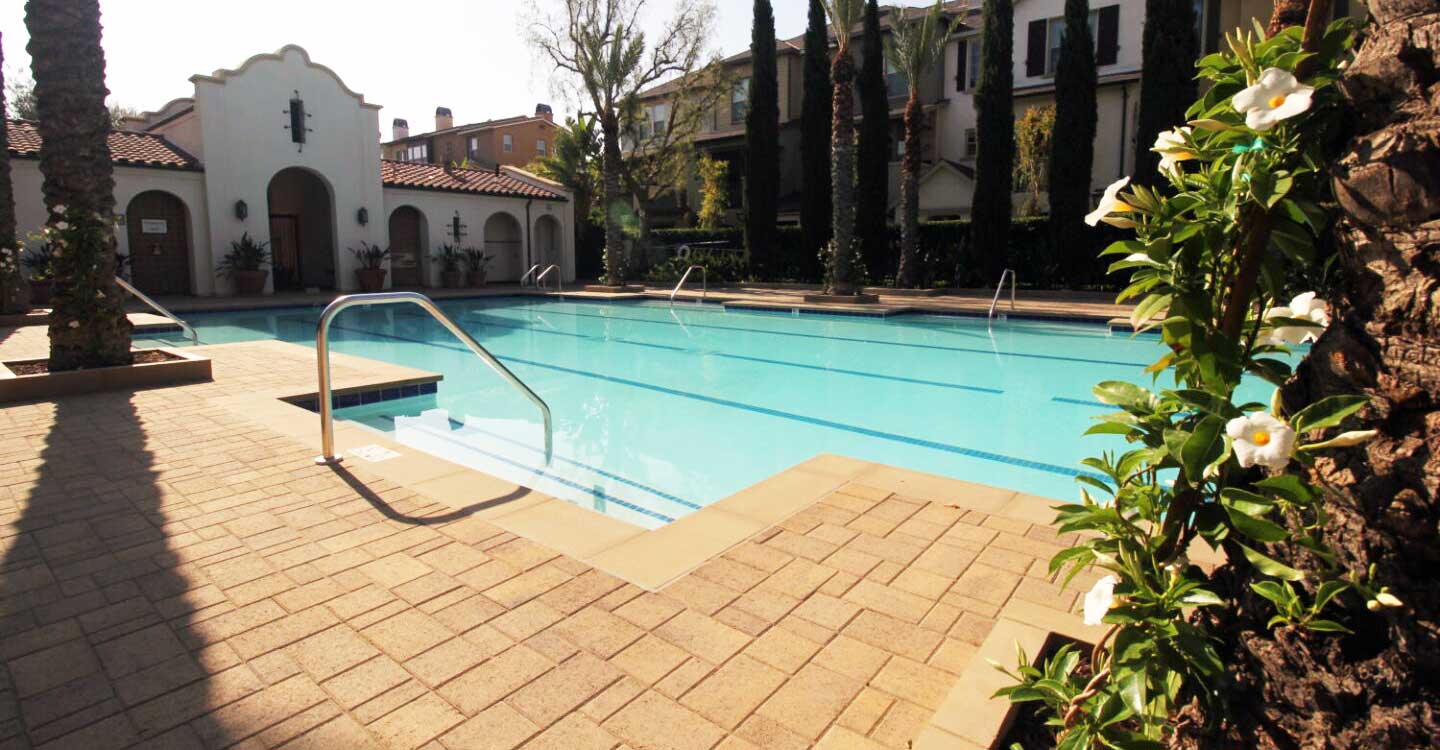
Pool Remodeling
Most pools in Southern California were built between the 1970s and early 2000s. If your pool falls in that window, it’s likely due (or overdue) for some level of renovation. The plaster is worn, the tile is dated, the equipment is inefficient, or the layout no longer matches how you use your backyard.
A pool remodel can mean a lot of things, from a straightforward resurface to a full structural and aesthetic overhaul. This guide helps homeowners understand what’s involved, what it costs, how long it takes, and how to approach the process without getting in over their heads.
What Counts as a Pool Remodel?
A pool remodel is a broad term that covers everything from cosmetic updates to structural changes. Most remodels fall into one of three categories:
Resurfacing: Replacing the interior finish (plaster, quartz, or pebble) without changing the shape or features of the pool. This is the most common pool remodel and the one most homeowners eventually need, since plaster surfaces typically last 10–20 years, depending on water chemistry and maintenance.
Partial remodel: Resurfacing combined with tile replacement, coping upgrades, deck work, or equipment changes. This is where most meaningful visual transformations happen.
Full remodel: Structural changes to the pool shell itself, additions like a spa or Baja bench, major plumbing or electrical work, and a complete overhaul of the surrounding outdoor space. This is a larger construction project with a longer timeline and more permitting involvement.
Understanding which category your project falls into shapes everything that follows: scope, timeline, contractor selection, and budget.
Quick Links To Service Pages
- Pool Resurfacing & Replastering
- Pool Tile Installation
- Pool Coping
- Pool Decking
- Spa Additions
- Pool Equipment
- Pool Crack Repair
Signs It’s Time to Remodel Your Pool
Homeowners usually know intuitively when their pool needs attention, but here are the specific signs that indicate different types of work:
Plaster and surface issues:
- Rough or etched texture that scratches feet
- Persistent staining that doesn’t respond to treatment
- Visible cracking, chipping, or delamination of the surface
- White chalky residue or calcium nodules (called “calcium nodule pop-offs”)
- A generally dull, worn-out appearance even after cleaning
Tile and coping:
- Loose, cracked, or missing waterline tiles
- Heavy calcium buildup behind the tile that’s lifted it from the bond coat
- Coping stones that are chipped, stained, or have failed mortar joints
Deck and surrounds:
- Cracked or uneven concrete decking
- Outdated materials (stamped concrete from the 90s, worn Kool Deck)
- Trip hazards near the pool edge
Equipment:
- Single-speed pump that runs constantly and drives up electricity costs
- An aging heater that struggles to maintain temperature
- No automation, requiring manual operation of equipment
- Outdated incandescent lighting rather than LED
Functionality:
- The pool is too deep throughout (common in older designs), making it less usable for families
- No seating or shallow lounging area (a Baja bench or tanning ledge can be added during a remodel)
- No spa (an attached spa is one of the most popular additions in a full remodel)
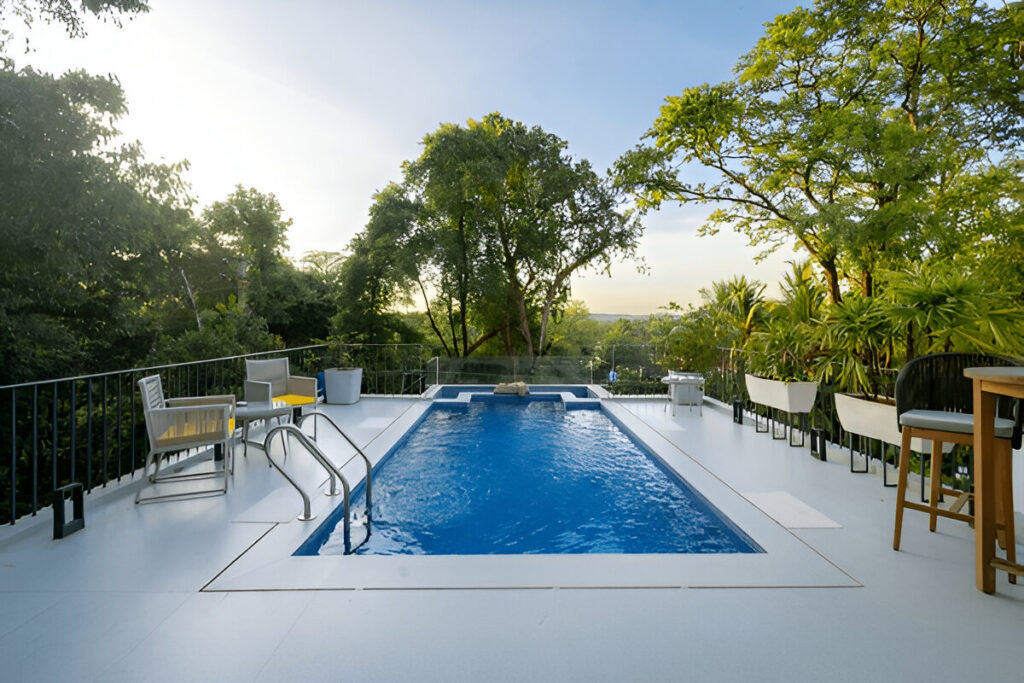
Pool Remodeling Options: What’s Actually Available
Here’s a practical breakdown of what homeowners can upgrade and what each involves:
Interior Finish (Resurfacing)
The interior finish is the waterproof surface that lines the pool shell. It wears over time and needs periodic replacement. The main options are:
White plaster: The traditional option. Smooth, clean appearance, lowest upfront cost. Typically lasts 7–12 years, depending on water chemistry. More vulnerable to staining than aggregate finishes.
Quartz aggregate: A blend of cement and quartz crystals. More durable and stain-resistant than white plaster, with a slight texture and subtle sparkle. The most popular mid-range finish. Typically lasts 12–18 years.
Pebble finishes (PebbleTec, pebble blends): The most durable interior finish, made from small pebbles mixed into cement. Highly textured, very resistant to staining and chemical damage. Can last 20+ years. Higher upfront cost but often the best long-term value for frequently used pools.
Glass beads and specialty blends: Options like MicroGlass and custom-blended finishes offer unique color and light-reflection effects, often used in higher-end remodels for aesthetic impact.
The finish you choose affects not just appearance but also long-term maintenance, chemical usage, and how the pool looks underwater and in sunlight.
Waterline Tile
The band of tile at the waterline is both decorative and functional. It protects the plaster from the fluctuating water surface and from calcium and chemical buildup. Replacement is often done alongside a resurface.
Options range from standard 6×6 ceramic tile to glass mosaic, natural stone, and custom patterns. This is one of the highest visual-impact changes in a remodel, since the tile sits at eye level when you’re swimming.
Coping
Coping is the cap stone or pavers at the top edge of the pool, where the pool meets the deck. It’s both functional (providing a finished edge and a gripping surface) and aesthetic. Common materials include cantilever concrete, travertine, limestone, brick, and precast concrete. Replacing coping is often bundled with deck work.
Pool Decking
The deck surrounding the pool is frequently part of a remodel, especially when the existing concrete is cracked, dated, or no longer suited to an updated pool. Options include:
- Resurfaced or recoated concrete (textured overlay, Kool Deck, spray deck)
- Pavers: Travertine, concrete, and brick pavers offer a more finished, customizable look and are easier to repair in sections if needed
- Natural stone: A premium option used in higher-end remodels
Equipment Upgrades
Equipment is often overlooked in remodel planning but can have the biggest impact on day-to-day ownership cost and convenience. Worth addressing during a remodel:
Variable speed pump: Replaces older single-speed pumps. Can reduce pool pump energy costs by 50–70%. Many California utilities offer rebates for conversion.
Pool automation: Allows control of pump, heater, lighting, and water features from a smartphone. Brands like Pentair IntelliConnect and Hayward OmniLogic are standard options.
LED lighting: Replaces incandescent pool lights. Uses a fraction of the power, lasts much longer, and allows color-changing effects. One of the easiest upgrades to include during a remodel.
Heater or heat pump: If you’re extending your swim season or heating for the first time, a remodel is the right time to address this.
Salt chlorination: A salt system converts dissolved salt into chlorine, reducing the need to manually add chlorine and generally producing a softer-feeling water environment.
Structural Additions
More significant changes involve modifying the pool shell itself:
Spa addition: An attached spa (a hot tub that shares equipment and water with the pool) is one of the most requested additions. It requires structural work, new plumbing, and typically permits.
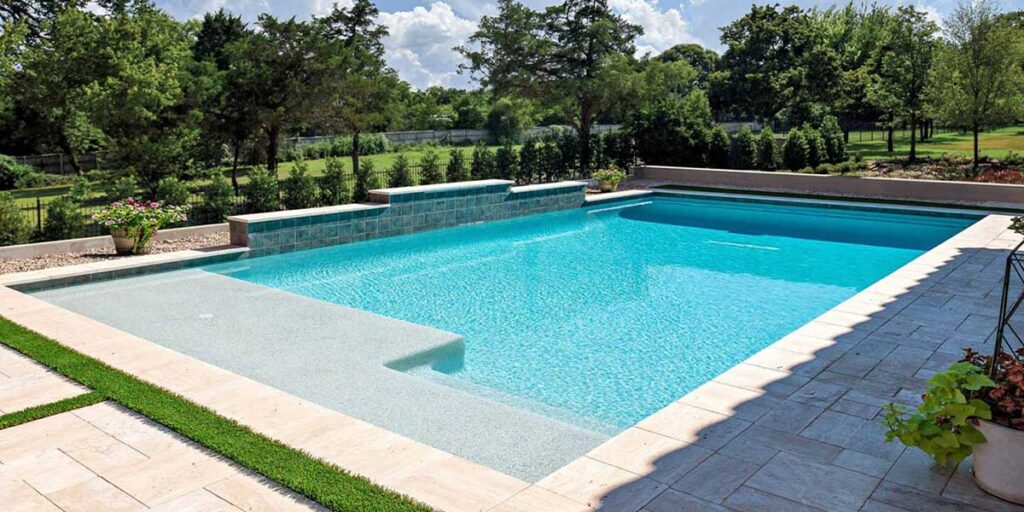
Baja bench/tanning ledge: A shallow, flat area (typically 6–12 inches deep) inside the pool where you can sit in the water or place a lounge chair. Very popular in modern pool design, and can be added to an existing pool with structural modification.
Shallowing and reshaping: Older pools were often built deeper throughout, which limits usability for families with younger children. Shallowing the deep end or reshaping the pool perimeter requires gunite work.
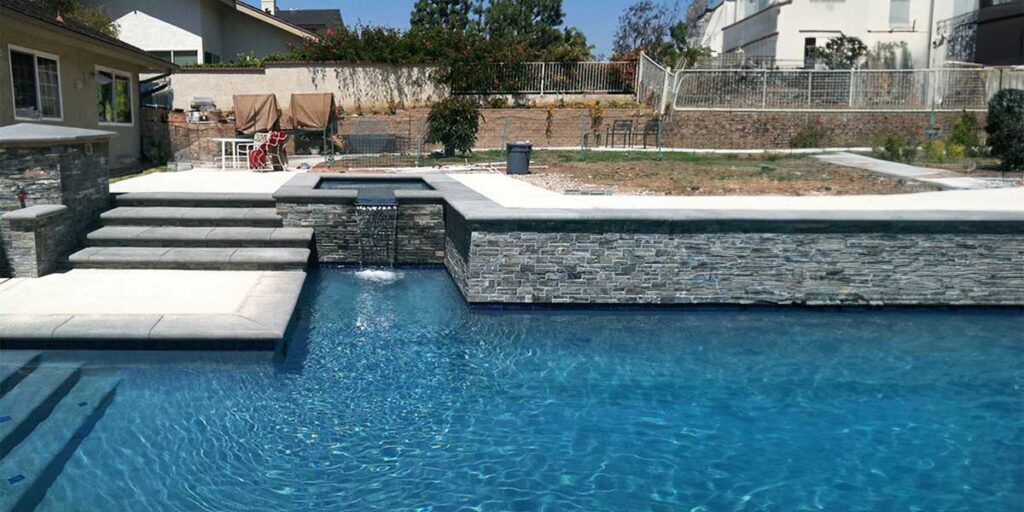
Rock waterfalls, grottos, and water features: Naturalistic rock formations, grottos, and water features are custom construction work. These add significant aesthetic impact but also add to project scope and timeline.
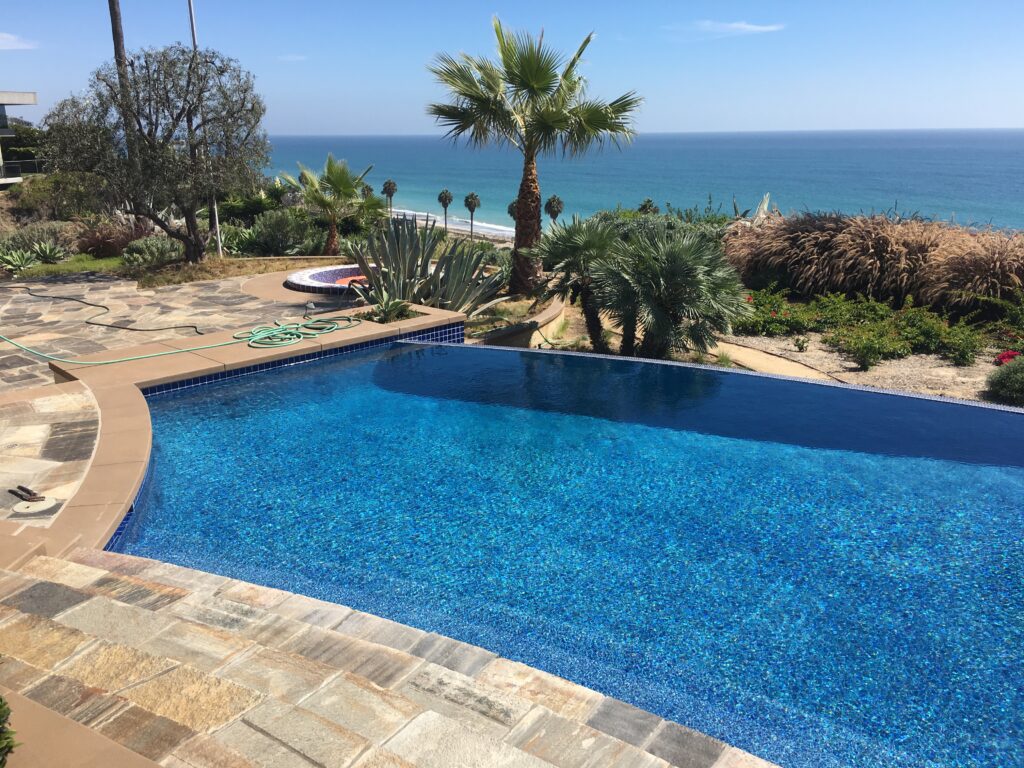
Pool Remodeling Costs: What to Actually Expect
Cost ranges vary significantly based on scope, materials, and the condition of the existing pool. Here’s a realistic breakdown:
Resurface only (plaster or quartz): $5,000–$12,000 for a typical residential pool. Pebble finishes typically run $12,000–$18,000+. Size, shape complexity, and surface prep needs all affect the final number.
Partial remodel (resurface + tile + coping): $15,000–$30,000 for most pools. Add deck work, and the cost goes up.
Equipment upgrade package (variable speed pump, automation, LED lighting): $3,000–$8,000, depending on what’s being replaced and what system is chosen.
Spa addition: $15,000–$30,000+, depending on size and configuration.
Full remodel with structural work, new deck, spa, and equipment: $40,000–$80,000+ is realistic for a comprehensive project.
A few cost considerations that often catch homeowners off guard:
Surface prep affects price significantly. If the existing plaster has been applied over multiple previous layers, or if there’s significant structural damage, the preparation work (hydroblasting, chipping, or repair) adds to the base resurface cost. Get specific information about how your contractor handles prep before comparing quotes.
Permits add time and cost. Structural modifications, spa additions, and electrical work typically require permits in Orange County. A legitimate contractor will pull permits; be cautious of anyone suggesting you skip them.
The cheapest quote is rarely the best value. Pool surfaces bond to the substrate they’re applied over. If prep is cut short or materials are substandard, the finish won’t last. The cost difference between a 10-year resurface and a 20-year resurface often comes down to prep work and materials that aren’t visible in the final product.
How the Pool Remodeling Process Works
Understanding the actual sequence of work helps homeowners set realistic expectations for scheduling, access, and timeline.
Planning and Design
Before any work begins, you’ll meet with a contractor or design consultant to walk the pool, discuss your goals, and look at finish samples. If you’re considering structural changes, this is when those get scoped. A reputable contractor will bring samples to the consultation (plaster chips, tile options, coping materials) so you can see and feel the options rather than just look at photos online.
For larger projects, 3D design renderings can help you visualize the finished space before committing to materials and layout.
Permits (If Required)
Structural work, spa additions, plumbing changes, and electrical work all require permits in most Orange County jurisdictions. Permitting adds 2–6 weeks to the start of a project in typical cases, sometimes longer. This is not something to skip; unpermitted work can complicate home sales and insurance claims.
Draining the Pool
The pool is drained before work begins. In California, this requires compliance with local wastewater regulations. Most municipalities require draining to the sanitary sewer, not into the street or a storm drain. A licensed contractor handles this correctly.
Surface Preparation
This is the most important phase of a resurface, and the one where shortcuts cause the most long-term problems.
Hydroblasting uses high-pressure water jets to remove old plaster from the shell. It’s more precise and less damaging to the underlying gunite than mechanical chipping, and it produces a better bonding surface for the new finish. It’s the preferred method for quality pool contractors.
Jackhammering/chipping is faster and cheaper but more aggressive. Repeated chipping over multiple resurfaces can weaken the shell and create micro-fractures in the gunite substrate. It’s the most commonly used method in the industry, but it’s worth asking your contractor specifically how they prep.
Crack and structural repair happens during this phase. Any cracks in the shell are addressed before the new surface is applied.
Tile, Coping, and Deck Work
If the scope includes new tile, coping, or decking, this work typically happens during or after the prep phase, before the new interior finish is applied.
Surface Application
A plastering crew applies the new interior finish (plaster, quartz, or pebble) by hand. For most residential pools, the actual application takes a single day. The mix is applied over a bond coat, troweled smooth (or textured, depending on the finish), and the process requires experienced applicators working quickly and consistently.
This is a phase where crew experience matters enormously. Blotchiness, trowel marks, and uneven color are almost always the result of poor application technique, not bad materials.
Fill and Chemical Startup
Once the surface is applied, the pool is immediately filled with water, typically over 12–24 hours. Letting a fresh plaster surface dry out causes cracks and color irregularities.
The startup process involves carefully introducing chemicals over the first 7–14 days to cure the surface and establish proper water chemistry. This startup period is critical to the finish’s longevity. A good contractor will walk you through what to expect and what to monitor.
Timeline
A straightforward resurface typically takes 1–2 weeks from drain to swim-ready. A partial remodel with tile and deck work is usually 2–4 weeks. A full remodel with structural work and permits can run 6–12 weeks or more from project start.
What to Look for in a Pool Remodeling Contractor
This deserves honest, practical attention. The pool remodeling industry in Southern California has a wide range of operators, and quality varies significantly.
Licensing: In California, pool contractors must hold a C-53 (Swimming Pool Contractor) license. Work involving landscaping requires a C-27, and waterproofing work a D-51. Verify license status directly on the CSLB website before signing anything.
In-house crews vs. subcontractors: Some pool companies function primarily as sales organizations and subcontract all the actual work. Ask directly: Who will be working on my pool, and are they your employees? In-house crews with long tenure produce more consistent results, which means the contractor is directly accountable for the work.
Experience with your scope of work: A company that does mostly resurfacing may not be the right fit for a full structural remodel, and vice versa. Ask specifically about experience with the type of work you’re planning.
Written estimates and contracts: Any legitimate contractor provides an itemized written estimate. Be cautious of vague proposals that list a single lump sum without specifying materials, surface prep method, or scope of work.
Warranty: Understand what’s covered and for how long. A quality pool resurface should carry a meaningful warranty on both materials and workmanship. Ask what the warranty covers and what would void it.
References and completed work: Ask for references from projects similar to yours. Better yet, ask to see photos of work completed 3–5 years ago, which tells you much more than photos from the day of completion.
Common Questions Homeowners Have
- Can I stay in my house during a remodel? – Yes, for most projects. There will be noise, backyard access is needed, and there may be some dust or debris depending on scope. Full remodels with structural and equipment work are more disruptive than a simple resurface.
- How long before I can swim after a resurface? – Typically 7–14 days, depending on the finish type and the startup process. Your contractor should give you a specific timeline and guidance on what to watch for during curing.
- What happens if it rains during a plaster job? – Rain during or immediately after plaster application can cause spotting, streaking, or uneven curing. Experienced contractors monitor forecasts and time their application accordingly.
- Should I remodel and replace equipment at the same time? – In most cases, yes, if your equipment is more than 10 years old. Labor costs for electrical and plumbing work are similar whether done during a remodel or separately, so bundling the work is more cost-effective. It also avoids disrupting a newly completed pool finish with follow-up work.
- My pool has cracks. Should I be worried? – It depends on the crack. Surface cracks in the plaster only are common and addressed during resurfacing. Structural cracks that extend through the gunite shell require evaluation and repair before any new surface is applied. A contractor should be able to tell you what you’re looking at during the initial consultation.
- How often does a pool actually need to be resurfaced? – White plaster every 7–12 years on average. Quartz aggregate every 12–18 years. Pebble finishes every 15–25+ years. Water chemistry has a significant impact; pools that run chronically low on pH or calcium hardness erode faster.
A Note on Planning Realistically
The most common source of frustration in pool remodels isn’t the work itself. It’s a mismatch of expectations around timeline, disruption, and cost. Pools that sit in the sun and hold water are a difficult work environment, and quality work takes the time it takes.
Homeowners with the best experiences are generally those who did their homework on contractors, asked detailed questions up front, clearly understood the scope before signing, and gave their contractor reasonable access and communication throughout.
If you’re in Orange County or the surrounding area and want a professional assessment of your pool, Alan Smith Pools has been doing this work since 1981 and offers free on-site estimates. The showroom at 227 W. Carleton Ave in Orange has hundreds of finish samples you can see and touch before deciding.