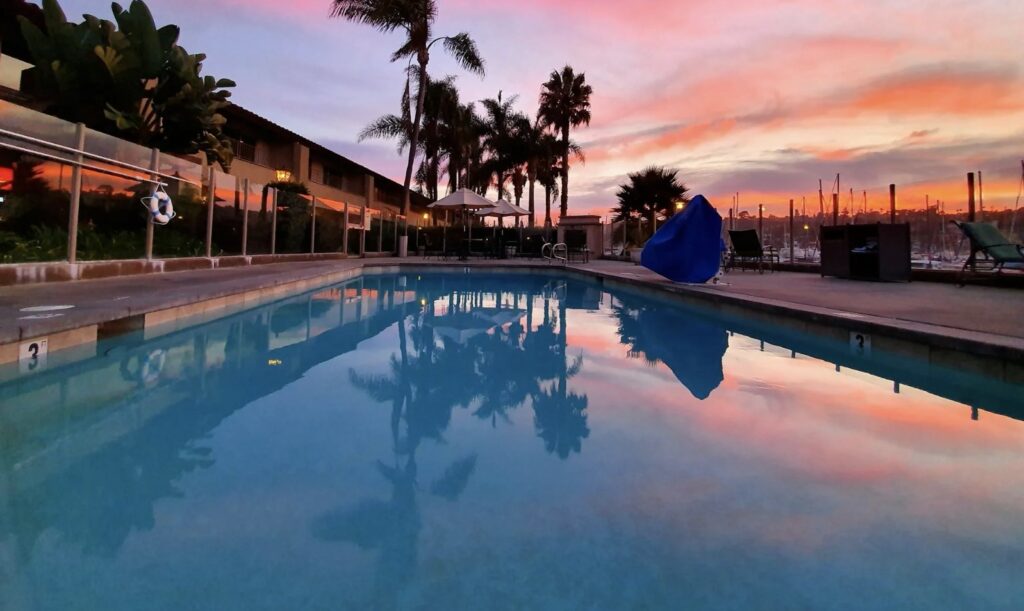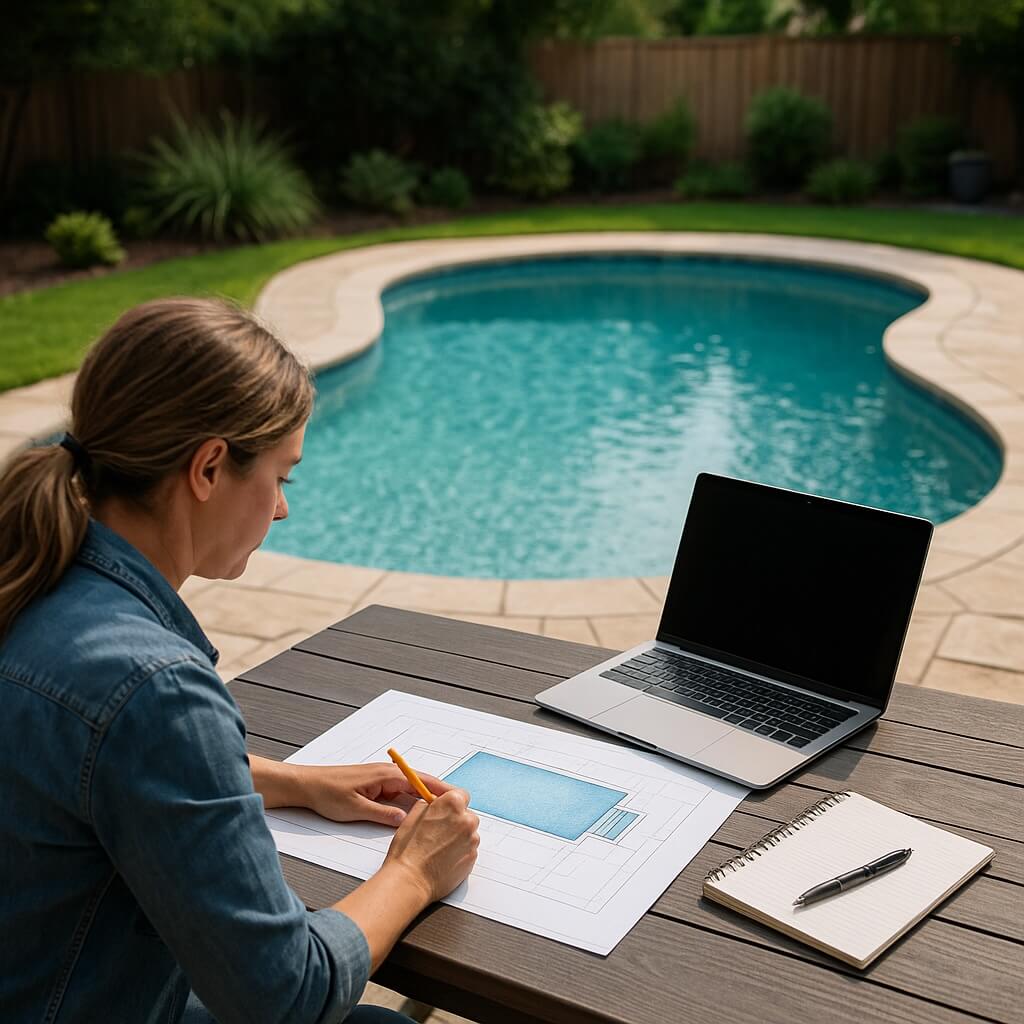
Are you researching pool deck materials that deliver both safety and eye-catching design? You’re not alone. A 2025 survey found that 78% of new pool owners specifically request slip-resistant surfaces, showing just how crucial the right deck choice can be.
For homeowners aiming to transform their backyard, the options have never been more diverse. If you’re thinking about upgrading your entire swimming area too, check out our guide on remodeling your swimming pool and explore creative ways to revitalize your space.
Why the Right Pool Deck Material Matters
The stretch of land surrounding your pool does more than frame the water. It also shapes safety, comfort, and curb appeal. With heavy foot traffic and constant exposure to water, a deck must stand up to moisture, UV rays, and frequent use.
Picking an option that balances cost, longevity, and appearance can lower headaches in the long run. Whether it’s built of concrete, wood, or composite, the layout of your pool deck sets the tone for outdoor gatherings and staycation vibes.
In places like Southern California, designs often lean light-colored to reflect heat. Yet, heat reflection alone isn’t enough—slip protection also matters. Some deck materials come with built-in textures that add traction, giving you peace of mind whenever family and friends hop in and out of the pool.
Popular Materials for Pool Decks
Pool deck options run the gamut from classic concrete to modern composite. Each selection has its own advantages, whether you’re looking for a tropical theme or an upscale retreat. Below are widely-used materials and their standout features.
Concrete Pool Decks
Concrete has long been a staple in poolside design. It’s versatile, can be poured in unique shapes, and accommodates surface techniques like stamping or staining. Light-colored finishes help reduce heat, while textured patterns make walking around safer.
Despite its adaptability, concrete may crack over time. This risk increases with shifting soil or freeze-thaw cycles. Sealants and periodic repairs can prolong its life, making it a popular, budget-friendly option.
Wood Pool Decking
Wooden decks offer a warm, classic look. Cedar, pine, and teak frequently show up around pools because they resist rot better than many other woods. They also blend nicely with natural outdoor designs.
Keep in mind that wood calls for consistent upkeep. Staining and sealing are crucial to minimize water damage. If you’re looking for an entire outdoor makeover, see our related tips in the pool resurfacing process guide, as combining a new finish with a wooden deck can create a cohesive backyard update.
Stone Pool Surrounds
Natural stone surfaces such as travertine, slate, and limestone bring a luxurious feel. These materials often remain cooler in direct sun, a major plus for bare feet. Stone also pairs well with lush greenery and understated décor.
Keep an eye on long-term costs. Natural stone can run higher in price than concrete or wood. Proper sealing is often needed to guard against stains and weathering, but the investment yields impressive longevity and aesthetics.
Pavers Around the Pool
Pavers interlock to form stable surfaces and come in an array of designs. They’re straightforward to replace if a few pieces crack or settle unevenly. Because they allow for custom patterns, pavers suit those seeking a personalized look.
If a single paver gets damaged, you can swap it out without redoing the whole deck. This perk makes pavers a practical solution for large pool areas prone to occasional wear and tear.
Composite Decking Options
Composite materials merge recycled wood fibers with plastics, creating a plank that’s resistant to warping and splintering. According to a 2024 industry report, these decks have seen a 15% rise in popularity, partly due to lower annual maintenance than solid wood.
While the upfront cost can be higher, you reclaim some of that expense by reducing maintenance. For eco-conscious homeowners, composite’s recycled content tickles the sustainability box, offering a balance of style and practicality.
Pool Tile for Elegant Surfaces
Tile choices for pool decks include ceramic, porcelain, and even glass. When properly treated, they stay slip-resistant and hold up well against moisture. Porcelain versions often mimic natural stone patterns without the same upkeep.
Tile tends to cost more per square foot. However, the payoff is an upscale appearance well-suited for modern designs. Choose light shades and textured finishes to keep surfaces cooler and safer during hot days.
Key Factors: Slip Resistance, Heat Resistance, and Durability
Water frequently splashes onto pool decks, so a slip-resistant finish is essential. Materials like stamped concrete or rough-cut stone add traction, while rubberized coatings sharpen grip even further. Some composites feature texturing to help minimize slips.
Heat retention is another chief concern. Stone pavers and light-toned acrylic overlays don’t soak up as much heat as darker surfaces. Travertine and specialized “cool deck” coatings can make the difference between a pleasant poolside experience and feet that recoil from hot ground.
As for durability, sturdy construction methods and proper sealants can ward off cracks, warping, or fading. Pool chemicals also affect decks over time. Make sure to look for surfaces that stand up to chlorine and other commonly used products.
Cost Considerations and Long-Term Value
Swimming pool deck surfaces vary in price. Keep in mind, the initial expense tells only part of the story. Maintenance, repairs, and eventual replacement factor into the total investment.
A stone deck, for instance, may hold up for decades with occasional sealing. Wood, on the other hand, might cost less at the outset but require more frequent upkeep, driving up its total cost. If you’re curious about broader pool expenses, see our take on pool-building costs in Southern California for insights that might apply in your area.
According to multiple market analyses, the return on investment for a well-maintained deck can be significant if you decide to sell your property. Stone surfaces, particularly travertine or limestone, often provide strong resale value. Yet, even a budget-friendly deck can lift the overall appeal of an outdoor space.
Maintenance and Repairs
No deck is entirely hands-off, though some require less work than others. Wood will need sealing and occasional refinishing. Concrete may develop cracks over time that might require patching, while stone benefits from periodic sealing to guard against stains.
Regular cleanings remove debris and prevent mold or mildew buildup. If your current deck is showing advanced wear, you might need more extensive fixes. For help with bigger issues, check out our page on pool repair services in Orange County for a closer look at professional renovation approaches.
Address small problems early to prevent bigger headaches. A quick repair job is easier on your wallet than a total redo. Your deck’s ability to endure foot traffic and UV rays often hinges on routine care.
How to Decide on the Perfect Deck Material
First, consider your local climate. Hotter areas may favor natural stone, acrylic overlays, or composites that stay cooler underfoot. Rain-prone or coastal environments often push homeowners toward rot-resistant options like ipe wood or properly sealed stone.
Next, think about who uses the pool the most. Large families and frequent gatherings call for slip-resistant materials with minimal upkeep. Those looking for a sophisticated style might budget extra for a premium finish.
Finally, weigh your long-term plans. If you’re likely to move within a few years, an elegant yet cost-effective surface that appeals to future buyers might be ideal. If you’re staying put, invest in something that fulfills your personal taste and cuts down on annual chores.
Bottom Line
Crafting a top-quality pool deck is a mix of picking sturdy materials, staying within a budget, and boosting safety. Whether you lean toward mellow wood tones or bold stone pavers, focus on how it feels underfoot and holds up with your specific conditions.
Standing at the edge of your pool and imagining a brand-new surface can be exciting. To discuss plans tailored to your location, connect with us through our Contact Us page. A deck designed for durability and comfort pays rewards for many summers to come.
References
Pool & Hot Tub Alliance. (2023). Everything You Need to Know About Pool Decking. Retrieved from https://ssgpools.com/everything-you-need-to-know-about-pool-decking/
System Pavers. (2024). 8 Outdoor Remodeling Trends for 2025: What’s New in Outdoor Living Spaces. Retrieved from https://systempavers.com/blog/8-outdoor-remodeling-trends-for-2025-whats-new-in-outdoor-living-spaces
Bonsai Builds. (2023). What is the Coolest Pool Deck Surface? Retrieved from https://bonsaibuilds.com/what-is-the-coolest-pool-deck-surface/